

A Forgotten Rust Bucket Transformed
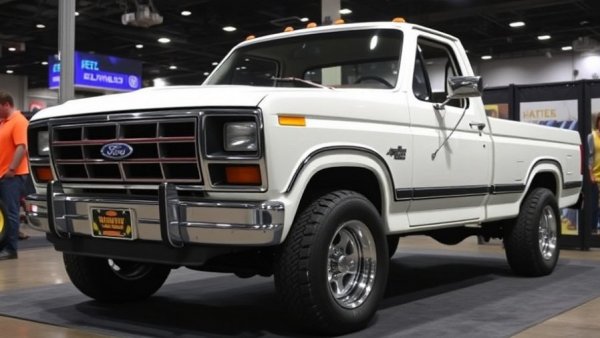
In the heart of the rugged landscapes of Oregon, a 1985 F-250 lay in abandonment, forgotten and ravaged by time. What once served as an agricultural workhorse had fallen victim to the elements, transforming from a potentially prized vehicle into a bedraggled piece of rusted machinery. Enter Matt Johnson, a grassroots builder with a vision. For just $800, Johnson acquired what many saw as mere scrap metal and embarked on a challenging restoration journey, culminating in a stunning showcase at the SEMA Show.
The Heart of the Beast: A Powerful Transformation
The truck's transformation took a decisive turn after the original factory engine blew, spewing hot coolant and leaving Johnson with a pivotal decision: stick to his original plan of a simple shop truck or venture into uncharted territory of performance off-roading. Opting for the latter, he connected with Ford Racing, opening the door to an exhilarating upgrade—a massive 460 ci Windsor-based crate engine. With a monstrous output of 575 horsepower and 575 lb-ft of torque, this engine not only breathed new life into the truck but dramatically changed its character.
Reinforcing the Structure: Suspension and Tires
To handle the engine's newfound power, extensive modifications were necessary. Johnson installed a highly modified Twin-Traction Beam front suspension system, specifically designed to accommodate the truck’s towering 37-inch Mickey Thompson Baja tires. By maintaining the factory framerails, he ensured the integrity of the original design while enhancing performance capability. This calculated combination of classic aesthetics and modern enhancements made the F-250 a standout at SEMA, captivating attendees and demonstrating the potential of grassroots automotive innovation.
A Community Effort Fueled by Passion
What sets this project apart is not just the vehicle itself, but the passion and community spirit that drove its completion. Contrary to the polished, high-budget builds typically showcased at major events, Johnson leveraged local talents and friendships, doing most of the mechanical work himself in a home garage with little more than a leaking forklift to aid his efforts. Relying on friends for paint and bodywork, this collective grassroots approach turned what many would consider impractical into an inspiring success story. In just 40 days, Johnson’s dedication and hard work transformed a junker into a museum-quality showpiece.
Empowering Hobbyists Through Documentation
Moreover, Johnson didn't stop at the physical build; he meticulously documented his entire restoration process. By sharing this journey with others, he aims to inspire fellow hobbyists to tackle their own projects, no matter how daunting they may seem. In a world where the automotive landscape is heavily influenced by major manufacturers, his story highlights the importance of individual craftsmanship and the joys of DIY culture. Johnson's F-250 stands as a testament that not only do grassroots builders still thrive, but they are making significant waves on the grandest stages in automotive culture.
The Impact of the F-250 Encounter at SEMA
Walking through the expansive Las Vegas convention space during the SEMA Show, one couldn’t help but notice the throngs gathering around Johnson's F-250. It was clear that his labor of love connected with many attendees, reviving interest in classic restoration projects and celebrating individual entrepreneurship in the automotive field. This interaction underlines a growing trend in automotive enthusiast culture: a longing to return to the hands-on personalization that makes vehicles truly one-of-a-kind.
What Lies Ahead for Grassroots Builds?
As technology and innovation continuously reshape the automotive landscape, will grassroots enthusiasts still find a place among the giants of the industry? Johnson’s success story gives hope, suggesting that by fostering community spirit and merging traditional skills with modern technology, the potential for future projects remains endless. Grassroots builders can leverage advancements in automotive technology while keeping the spirit of hands-on craftsmanship alive. This balance offers exciting avenues for possibility, bridging the gap between heritage and innovation.










Write A Comment