

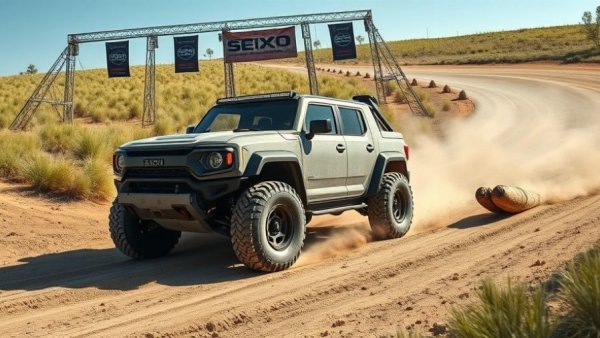
Exploring the Scion SxS Concept: A New Era of Off-Road Performance
With the unveiling of the Scion 01 concept at the 2025 SEMA Show, Toyota successfully captured the attention of outdoor enthusiasts and automotive fans alike. As the excitement builds around this innovative machine, the focus on its drivetrain stands out. Equipped with a Tacoma hybrid engine and a sophisticated eight-speed automatic transmission, the Scion is aimed at redefining performance in the side-by-side (SxS) segment.
The Hybrid Advantage: Performance Meets Efficiency
One of the most intriguing aspects of the Scion SxS concept is its use of the Tacoma's 2.4-liter turbocharged four-cylinder hybrid engine. Producing over 300 horsepower, this powertrain merges efficiency with performance, presenting a compelling argument for hybrid technology in off-road vehicles. Enthusiasts should take note of the 'Silent Mode' capability, allowing users to navigate trails quietly on electric power alone—a unique feature that could prove advantageous during wildlife encounters or for eco-conscious driving experiences.
Real-World Testing: Insights from the Track
My firsthand experience riding shotgun at Eagles Canyon Raceway provided valuable insights into this new contender. The prototype I rode in featured high-end Bilstein shocks and a switch to GBC tires, replacing the previously mounted Maxxis. Even with a conservative driving approach, it was evident that the Scion’s capabilities are promising. It handled the smooth dirt track confidently, yet I was left pondering how it would respond under heavier use, especially on more rugged trails.
Flexibility in Design: A Focus on High-Speed Desert Riding
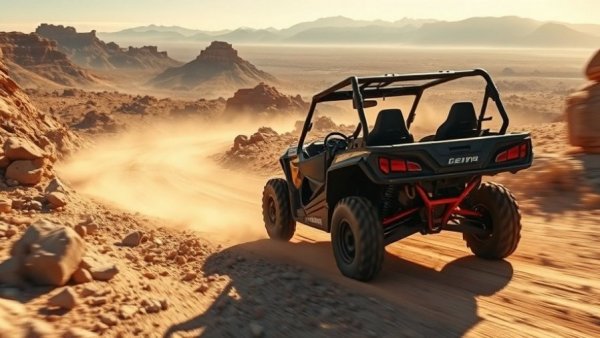
Notably, Toyota has tailored the Scion concept for higher-speed desert riding, opting for a design without selectable low range. While this approach is effective for open terrains, questions arise about its performance in more challenging environments. For instance, trails that dip into rocky washes may require precision control to navigate ledges safely. Here, feedback from drivers will be instrumental in fine-tuning the vehicle’s capabilities.
Gas Engine vs. Hybrid: A Tough Decision for Future Models
While hybrid innovation is commendable, I can’t help but wonder about the potential benefits of a gas-only version. The hybrid system adds considerable weight to the vehicle due to its battery and cooling apparatus. A gas engine could simplify the Scion's technical profile, potentially decrease its weight, and make it more agile and cost-effective, particularly for enthusiasts focused on performance and durability.
The Market's Reception: What Would Consumers Prefer?
The evolving landscape of off-road vehicles indicates a growing interest in hybrid systems; however, traditional gas-powered engines still hold significant appeal. As Toyota considers the production of the Scion SxS, gauging consumer preferences will be crucial. Factors such as weight, energy efficiency, and driving dynamics will collectively shape the future iterations of this concept. Are users ready to embrace a hybrid, or do they seek the reliability and performance of a gas engine?
Community Engagement: The Role of Outdoor Enthusiasts
For those of us who thrive on outdoor adventures and activities, the introduction of such hybrid innovations can potentially reshape our recreational pursuits. The conversation surrounding the Scion SxS concept goes beyond technology—it's about building community and fostering connections among outdoor enthusiasts. Enthusiasts and tour operators can advocate for designs that meet their needs, embracing feedback and actively participating in discussions about the future of off-road vehicles.
As this exciting journey unfolds, it remains essential for consumers to stay informed and engaged with the innovations impacting their adventures. Understanding the trajectory of vehicle technology will allow outdoor enthusiasts to make educated choices for their next ride.










Write A Comment