

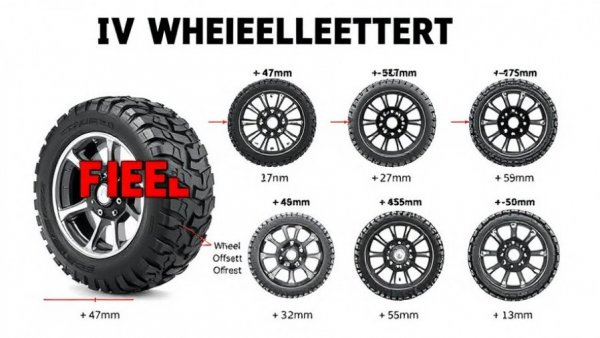
Understanding UTV Wheel Offset: The Silent Game Changer
When it comes to enhancing the performance and stability of your UTV (Utility Task Vehicle), the wheel offset is a crucial factor that is often overlooked. Wheel offset determines how far each tire sits in relation to the vehicle's body, impacting everything from handling to tire wear. If you've ever wondered why two identical UTVs behave differently under the same conditions, the answer often lies in their wheel offset.
The Basics of Wheel Offset and Track Width
At its core, wheel offset measures the distance from the centerline of the wheel to the hub mounting face. A positive offset means the mounting surface is toward the front of the wheel, pulling it inward, while a negative offset extends it outward. This seemingly simple measurement has profound implications for track width — the distance between the two tires on the same axle.
To quantify this, use the formula: Track width change (in inches) = 2 × (factory offset in mm - new offset in mm) ÷ 25.4. For instance, if you transition from a stock wheel with a +61.85 mm offset to a rim with a +50 mm offset, you'll push the tires outward by approximately 0.47 inches per side, resulting in a wider stance of around 0.93 inches across the axle.
Choosing the Right Wheels for Specific Applications
Different environments dictate different wheel needs. For example, if you're heading to the dunes, a wider rear sand tire can enhance stability on shifting terrain. In contrast, when you're navigating tight trails, a narrower wheel may be more advantageous for agility. Hence, the selection of wheel size and offset should align with the intended use of the UTV.
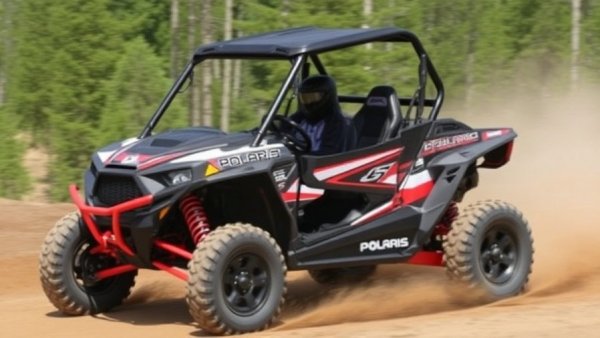
Consider the Polaris XPEDITION, which starts with a factory setup of 15×7 wheels at a +61.85 mm offset. By switching to a 15×7 System 3 SB-6 beadlock with a +50 mm offset, you gain width without compromising ride quality. Additionally, a wider 15×10 wheel with a 0 mm offset adds an even broader width of nearly 4.87 inches across the axle.
Practical Tips for Measuring and Selecting Wheel Offsets
When upgrading wheels, keep these practical tips in mind:
- Measurement is Key: Always check the millimeter figure stamped on the wheel. This will help accurately calculate any changes in track width.
- Consult the Specs: Each UTV model has unique specifications, including bolt patterns and measurements that should be adhered to when choosing new wheels.
- Test and Observe: Once you've installed new wheels, pay attention to how the UTV handles on different terrains. Remember, wider wheels may perform better in loose sand, while narrow wheels are often preferable in mud and tight trails.
The Implications of Changing Track Width
Narrowing or widening your UTV's track can significantly affect its center of gravity, tire wear, and driving dynamics. A wider track can enhance stability by lowering the center of gravity during tight cornering, which is particularly appealing for off-road enthusiasts seeking a performance edge. Conversely, a narrow track can improve maneuverability in enclosed spaces.
However, it's essential to understand that these modifications may also necessitate adjustments elsewhere, including fender flares and suspension settings. Observing how your UTV behaves post-adjustment can provide valuable insight into the trade-offs involved.
Stay Ahead: Trends in UTV Customization
The market for UTV accessories is evolving rapidly, with manufacturers introducing innovative wheel designs that promise better performance and aesthetics. Keeping abreast of these trends can provide opportunities to enhance your vehicle beyond just offset adjustments. Trendy beadlock designs, for instance, allow riders to maintain lower tire pressures for increased traction without risking tire dismounts.
Furthermore, consider how lightweight materials and advanced tire compounds have transformed UTV performance. As technology advances, what was once an afterthought in wheel selection becomes crucial for enhancing overall riding experience.
Final Thoughts: Timing Your Modifications
As an outdoor enthusiast or business owner who frequently utilizes UTVs, staying informed about wheel technologies and their effects on performance is invaluable. By understanding how to select the right wheels, you can not only boost your UTV’s capabilities but also save on tires and maintenance in the long run.
Consider your terrain, intended usage, and desired handling characteristics when choosing wheels. Equip your UTV with the best possible wheels for your environment to unleash its full potential.
Take your UTV experience to new heights! Research, explore, and test different wheel configurations to find what best suits your adventurous spirit.










Write A Comment